SAI DENTAL CARE & IMPLANT CENTRE | WEST MAMBALAM

Children's Dental Care · West Mambalam

Pediatric Dentistry in West Mambalam

Healthy smiles begin in childhood. At Sai Dental Clinic, children can receive dental assessments, preventive care and treatment planning tailored to their age, oral health and individual needs. Our goal is to help children build healthy dental habits and feel more comfortable during dental visits.

  • Dental check-ups for children and growing smiles
  • Guidance on brushing, flossing and oral hygiene
  • Assessment and management of tooth decay
  • Advice for parents on children's dental development
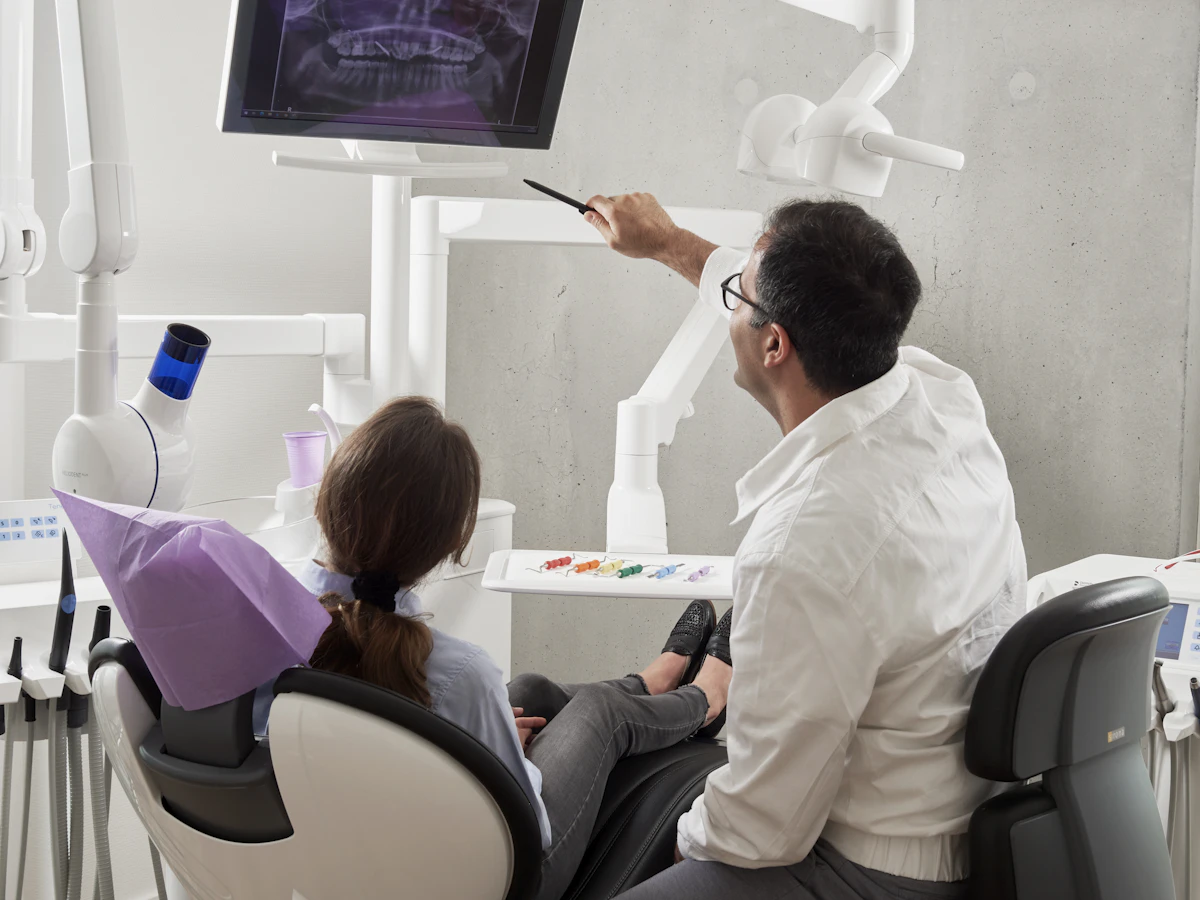
Dental care setting for a family dental consultation
Supporting children's oral health from the first tooth through adolescence
Growing Healthy Smiles

Gentle Dental Care for Children

Children's dental needs change as they grow. From the arrival of the first baby tooth to the development of permanent teeth, each stage brings different oral health needs. Regular dental care helps parents understand these changes, identify concerns early and support healthy habits that can continue into adulthood.

Pediatric dentistry focuses on the oral health of infants, children and teenagers. It includes preventive care, monitoring tooth development, identifying tooth decay, addressing dental injuries and helping children become familiar with dental visits. The treatment approach should take into account a child's age, communication needs, comfort and individual dental condition.

Parents looking for a pediatric dentist in West Mambalam can arrange an assessment at Sai Dental Clinic to discuss their child's teeth, gums, oral hygiene and dental concerns. A consultation can help establish whether preventive advice, monitoring or treatment is needed.

Every child is different. Some children may feel comfortable in a dental setting, while others may need additional reassurance and time. A calm, age-appropriate approach and clear communication with parents can help make dental visits more manageable.

Dental care instruments arranged for a dental examination
Why Early Dental Care Matters

Why Are Children's Dental Check-Ups Important?

Baby teeth are important for eating, speech development and maintaining space for permanent teeth. Dental check-ups help parents understand how to care for them and identify potential problems before they become more difficult to manage.

♡

Protecting Baby Teeth

Baby teeth help children bite and chew comfortably and support the development of speech. Keeping them healthy also helps maintain the space needed for permanent teeth. Tooth decay in baby teeth should not be ignored simply because those teeth will eventually fall out.

✦

Preventing Tooth Decay

Dental visits provide opportunities to review brushing habits, sugar exposure and fluoride use. Early identification of decay can help parents understand available treatment options and reduce the risk of further damage.

⌁

Monitoring Dental Development

As children grow, baby teeth loosen and permanent teeth begin to emerge. Dental assessments can help monitor tooth eruption, spacing and bite development and identify concerns that may need further evaluation.

◎

Building Healthy Habits

Children learn daily oral hygiene habits with support from parents and dental professionals. Age-appropriate guidance helps them gradually develop the skills needed to brush effectively and care for their teeth.

☼

Reducing Dental Anxiety

Familiarity with routine dental visits can help children become more comfortable with examinations. Positive communication, patience and age-appropriate explanations can help reduce uncertainty about dental care.

+

Supporting Overall Oral Health

Healthy teeth and gums contribute to comfortable eating and everyday well-being. Dental care can also help identify gum irritation, enamel concerns, injuries and other conditions that need attention.

Children's Dental Services

Dental Care for Infants, Children and Teenagers

Children may need different types of dental care as their teeth and jaws develop. The following services describe common areas of children's dentistry. The appropriate treatment is determined after an individual examination and depends on the services available at the clinic.

Children's Dental Examinations

A dental examination allows the dentist to assess the teeth, gums, bite and oral hygiene. Parents can discuss concerns such as toothache, discolouration, bad breath, bleeding gums or changes in the way a child eats. The dentist may recommend monitoring, preventive care or further investigation based on the findings.

Tooth-Coloured Fillings

When a tooth has a cavity, a filling may be recommended to restore the damaged area. The choice of material depends on the tooth's location, the size of the cavity and the child's dental needs. Treating decay early can help preserve more of the natural tooth structure.

Preventive Dental Care

Preventive care includes brushing guidance, dietary advice, risk assessment and recommendations for professional preventive measures when appropriate. The aim is to reduce the risk of tooth decay and help families maintain good oral hygiene between dental visits.

Fluoride Guidance

Fluoride helps strengthen tooth enamel and makes teeth more resistant to acid attacks that contribute to decay. A dentist can advise parents on age-appropriate fluoride toothpaste and whether professional fluoride treatment may be suitable for a child.

Dental Cleaning

Professional cleaning may be recommended when plaque, tartar or deposits cannot be removed adequately through routine brushing. The dentist or dental team can also demonstrate techniques to help children and parents clean more effectively at home.

Dental Development Monitoring

As permanent teeth emerge, the dentist can observe the timing and pattern of eruption and identify concerns such as crowding, unusual spacing or teeth that appear delayed. If necessary, the child may be referred for further assessment.

Assessment of Toothache

Toothache may result from decay, infection, injury, eruption or other dental conditions. A dental assessment helps identify the likely cause and determine whether treatment is required. Persistent pain should not be managed solely with home remedies.

Dental Injury Assessment

Children can injure their teeth while playing, participating in sports or experiencing falls. A prompt examination can help assess a chipped, displaced or injured tooth and identify damage that may not be visible to a parent.

Parent and Caregiver Guidance

Parents can receive advice on brushing routines, healthy snacks, bottle-feeding habits, thumb-sucking concerns and the transition from baby teeth to permanent teeth. Practical guidance helps families make daily dental care part of a child's routine.

Dental professional preparing for a patient consultation
Baby Teeth and Oral Development

Why Baby Teeth Need Proper Care

Baby teeth, also called primary teeth, play an important role during childhood. They help children bite and chew food, support speech development and maintain space for the permanent teeth developing beneath the gums. Healthy primary teeth also help children feel comfortable during everyday activities.

Baby teeth are temporary, but that does not mean dental problems can be ignored. Untreated decay may cause pain, infection and difficulty eating or sleeping. Depending on the tooth and the severity of the problem, treatment may involve a filling, a crown designed for a primary tooth, or another appropriate procedure.

Parents should begin cleaning a child's mouth early and establish a consistent brushing routine as teeth emerge. Children need help brushing until they develop the coordination and understanding required to clean all tooth surfaces effectively. Parents should continue supervising brushing as children grow.

Regular dental assessments can help families understand the condition of baby teeth and the expected transition to permanent teeth. If a child experiences pain, swelling, visible decay or difficulty eating, a dental appointment should be arranged promptly.

Care at Every Stage

Dental Care According to Your Child's Age

Oral health needs evolve as children grow. Dental guidance should be adapted to the child's stage of development, tooth eruption and ability to care for their own teeth.

①

Infants and Toddlers

Early dental care focuses on the first teeth, feeding habits, cleaning routines and the prevention of early childhood tooth decay. Parents can ask about brushing techniques, fluoride toothpaste, bottle use and how to recognise early signs of dental problems.

②

Preschool Children

Preschool years are a useful time to establish regular brushing habits and help children become familiar with dental examinations. Parents can discuss snack choices, sweetened drinks, thumb-sucking and concerns about the appearance or spacing of baby teeth.

③

School-Age Children

During school years, permanent teeth begin to replace baby teeth. Dental visits can help monitor eruption, identify cavities and reinforce brushing and flossing habits. Children may need reminders and supervision to clean effectively.

④

Preteens

Preteens may experience changes in tooth alignment, diet and oral hygiene routines. Dental assessments can monitor developing permanent teeth and identify concerns such as crowding, gum irritation or areas that are difficult to clean.

⑤

Teenagers

Teenagers benefit from guidance on brushing, flossing, sugary drinks and oral hygiene around orthodontic appliances if they wear them. Dental visits can also address wisdom tooth concerns, gum health and other age-related dental issues.

⑥

Children with Special Dental Needs

Some children may need additional support because of sensory sensitivities, developmental differences, medical conditions or complex dental needs. Parents should share relevant information before the appointment so that suitable arrangements and referrals can be discussed.

Prevention Starts at Home

Preventing Cavities in Children

Tooth decay develops when bacteria in dental plaque use sugars from food and drinks to produce acids that damage tooth enamel. Frequent exposure to sugary snacks and drinks can increase the risk of decay, particularly when brushing is inconsistent or fluoride protection is inadequate.

Preventing cavities involves a combination of daily oral hygiene, sensible food and drink choices, fluoride use and regular dental care. No single habit can guarantee that a child will never develop a cavity, but consistent preventive measures can reduce risk.

  • Brush twice daily with age-appropriate fluoride toothpaste.
  • Supervise brushing and help children clean every tooth surface.
  • Limit frequent sugary snacks, sweets and sweetened drinks.
  • Choose water as a regular drink between meals.
  • Ask the dentist about fluoride and other preventive options.
  • Arrange dental reviews at intervals recommended for your child.
Dental care tools used for preventive oral health assessment
Daily Oral Hygiene

How to Help Your Child Brush Properly

Children need practical guidance and supervision to develop effective brushing habits. The amount of toothpaste and the brushing method should be appropriate for the child's age.

Choose a Suitable Toothbrush

Use a soft-bristled toothbrush with a head that fits comfortably inside the child's mouth. A child-sized brush may make it easier to reach the back teeth and clean around the gumline.

Use Fluoride Toothpaste

Use an age-appropriate amount of fluoride toothpaste and follow your dentist's advice. Young children should be supervised so they learn to spit out toothpaste rather than swallowing it.

Brush Every Tooth Surface

Clean the outer, inner and chewing surfaces of the teeth using gentle, controlled movements. Pay attention to the back teeth and the areas where teeth meet the gums.

Make Brushing Consistent

Brush twice daily, including before bedtime. A predictable routine can help children understand that brushing is a normal part of getting ready for the day and going to sleep.

Supervise and Assist

Children often need assistance with brushing until their coordination improves. Parents should check that all tooth surfaces are cleaned and provide help when necessary.

Ask About Flossing

When teeth touch closely together, brushing alone may not clean the contact areas effectively. Ask the dentist when and how to introduce flossing or another suitable interdental cleaning method.

Food and Dental Health

Healthy Eating Habits for Stronger Teeth

Food and drink choices influence a child's risk of tooth decay. Sugary foods and drinks can feed plaque bacteria, and frequent exposure gives teeth repeated acid attacks. The frequency of sugar consumption matters as well as the overall amount.

Parents can support oral health by offering balanced meals and limiting frequent sugary snacks. Water is a practical everyday drink, while sweetened beverages and sticky sweets should not become regular habits. A child's nutritional needs vary with age, so dietary changes should remain appropriate for their growth and health.

Bedtime routines also matter. After brushing at night, avoid giving children sugary drinks or snacks. For infants and toddlers, parents can ask their dentist or healthcare professional for guidance on feeding habits and preventing early childhood caries.

Simple Habits to Encourage

  • Offer water regularly throughout the day.
  • Keep sweets and sugary drinks occasional rather than frequent.
  • Choose balanced meals and tooth-friendly snack options.
  • Avoid prolonged sipping of sweetened drinks.
  • Brush before bedtime and follow a consistent routine.
  • Discuss feeding and dietary concerns during dental visits.
Dental professional preparing for a patient visit
Comfort and Confidence

Helping Children Feel Comfortable at the Dentist

Some children feel nervous about visiting a dentist, particularly if they have never had a dental examination or have experienced discomfort before. New sounds, unfamiliar equipment and uncertainty about what will happen can make a dental appointment feel overwhelming.

Parents can help by describing the visit in simple, reassuring language. Avoid using frightening words or promising that a procedure will never hurt. Instead, explain that the dentist will check the teeth and help keep the mouth healthy.

During the appointment, age-appropriate communication and a calm pace may help children understand what is happening. Some children may need extra time to become familiar with the setting. If a child has a strong fear of dental treatment, tell the clinic before the visit so the team can discuss suitable arrangements.

  • Explain the purpose of the visit using positive, simple language.
  • Bring information about previous dental experiences or concerns.
  • Encourage questions and allow the child to express feelings.
  • Recognise small steps of cooperation and progress.
What to Expect

What Happens During a Child's Dental Visit?

The exact process depends on the child's age, comfort level and reason for visiting. A routine assessment may involve the following steps.

1

Discuss the Child's Dental History

The dentist asks the parent or caregiver about the child's symptoms, medical history, previous dental experiences, eating habits and oral hygiene routine. Sharing concerns helps the dentist understand the child's needs.

2

Examine the Teeth and Gums

The dentist checks the visible teeth, gums, bite and oral tissues. The examination may include looking for cavities, plaque, gum irritation, changes in tooth eruption and signs of injury.

3

Discuss Findings with Parents

After the examination, the dentist explains what was observed and whether any concerns require treatment or monitoring. Parents can ask questions about the child's oral health and next steps.

4

Recommend Preventive Care

Advice may include brushing technique, fluoride toothpaste, dietary habits and suitable preventive measures. Recommendations are tailored to the child's age and risk of tooth decay.

5

Plan Any Necessary Treatment

If a cavity, injury or another dental problem is identified, the dentist discusses suitable treatment options. The timing and approach depend on the child's condition and clinical needs.

6

Arrange Follow-Up Care

The dentist may recommend a future review to monitor dental development, check treatment progress or reinforce preventive habits. The interval depends on the child's oral health and risk factors.

Dental Problems in Children

When Should Your Child See a Dentist?

Children may not always be able to explain dental pain clearly. Changes in eating, sleep, mood or willingness to brush can sometimes signal discomfort. Parents should seek dental advice when a child has persistent toothache, visible decay, gum swelling or a dental injury.

Arrange a dental assessment if your child has pain when eating, sensitivity to hot or cold foods, a broken tooth, persistent bad breath or a change in the appearance of a tooth. Early evaluation helps identify the cause and determine the appropriate treatment.

Dental injuries should be assessed promptly, even if the damage looks small. A dentist can check whether the tooth, surrounding tissues or developing permanent teeth may have been affected.

Seek Urgent Help for Warning Signs

  • Facial or gum swelling that is increasing or spreading
  • Severe or persistent dental pain
  • Fever with suspected dental infection
  • Uncontrolled bleeding after a dental injury
  • A displaced or knocked-out permanent tooth

Difficulty breathing or swallowing, rapidly spreading swelling or serious facial trauma requires emergency medical attention. Do not delay urgent care while waiting for a routine dental appointment.

A Partnership with Parents

How Parents Can Support Children's Oral Health

Parents and caregivers play a central role in helping children develop healthy habits and access dental care when needed.

Set a Daily Routine

Make brushing a regular part of the morning and bedtime routine. Young children learn through repetition, encouragement and seeing adults practise healthy habits themselves.

Monitor Brushing

Check that your child is brushing all tooth surfaces and using an appropriate amount of toothpaste. Continue helping until the child can clean effectively without assistance.

Notice Changes Early

Look for visible spots, cavities, swollen gums, unusual tooth movement or changes in eating. Seek advice when something appears different or your child reports discomfort.

Encourage Balanced Choices

Offer a variety of nutritious foods and make water readily available. Reduce frequent sugary snacks and drinks while keeping the child's overall nutritional needs in mind.

Keep Dental Visits Positive

Talk about dental visits calmly and honestly. Encourage your child to ask questions and share concerns rather than using dental treatment as a threat or punishment.

Follow Professional Advice

Follow the dentist's recommendations for treatment, home care and review appointments. Contact the clinic if symptoms change or your child has difficulty following the care plan.

Sai Dental Clinic · West Mambalam

Children's Dental Care with a Family-Focused Approach

Parents looking for children's dental care in West Mambalam can contact Sai Dental Clinic to discuss their child's oral health and arrange an assessment.

♡

Individual Dental Assessment

Every child has different dental needs. An examination helps identify concerns and establish an appropriate plan based on age, oral health and symptoms.

☷

Parent Education

Parents can discuss brushing habits, tooth development, diet and preventive care to help maintain their child's oral health between dental visits.

⌂

Convenient Local Access

Located in West Mambalam, Chennai, Sai Dental Clinic offers a local point of contact for families seeking dental assessment and treatment planning.

Explore More

Related Dental Services

Explore other dental services at Sai Dental Clinic or contact the clinic to discuss your child's specific needs.

Frequently Asked Questions

Pediatric Dentistry FAQs

Common questions from parents about children's dental care in West Mambalam.

1. What is pediatric dentistry?

Pediatric dentistry focuses on the oral health of infants, children and teenagers. It includes preventive care, dental examinations, monitoring tooth development and managing dental problems appropriate to a child's needs.

2. When should my child first visit a dentist?

Children should generally have their first dental visit by their first birthday or within six months after the first tooth appears, whichever comes first. A dentist can advise on an appropriate schedule for your child.

3. Why are baby teeth important?

Baby teeth help children chew, support speech development and maintain space for permanent teeth. Keeping them healthy can help prevent pain, infection and other dental problems.

4. How often should children visit a dentist?

The recommended interval depends on the child's oral health, risk of decay and individual needs. Many children benefit from regular check-ups, while those with higher risk may need more frequent reviews.

5. How can I prevent cavities in my child's teeth?

Help your child brush twice daily with age-appropriate fluoride toothpaste, limit frequent sugary snacks and drinks, encourage water and follow the dentist's preventive care recommendations.

6. Should baby teeth with cavities be treated?

Yes, cavities in baby teeth may need treatment. The appropriate approach depends on the tooth, severity of decay, symptoms and how long the tooth is expected to remain in the mouth.

7. Is fluoride toothpaste safe for children?

Fluoride toothpaste helps protect against tooth decay when used appropriately. The amount should be suitable for the child's age, and young children should be supervised to minimise swallowing.

8. What should I do if my child has a toothache?

Arrange a dental assessment, especially if the pain persists, affects eating or sleeping, or is accompanied by swelling or fever. Do not place aspirin directly on the tooth or gums.

9. What should I do if my child chips a tooth?

Contact a dentist promptly for an assessment. Keep any broken fragment if possible and take it to the appointment. If there is severe trauma, uncontrolled bleeding or difficulty breathing, seek emergency care.

10. Are dental X-rays necessary for children?

Dental X-rays are recommended only when clinically justified. The dentist considers the child's symptoms, examination findings, dental development and individual needs before deciding whether imaging is necessary.

11. How can I help my child overcome dental fear?

Use calm, honest language, explain the visit in simple terms and share concerns with the dental team. A patient, age-appropriate approach may help children become more comfortable over time.

12. When should children start flossing?

Flossing may be helpful when two teeth touch and a toothbrush cannot clean between them effectively. Parents can ask the dentist when to introduce flossing and which method is suitable.

13. What causes early childhood tooth decay?

Early childhood tooth decay is influenced by factors such as frequent sugar exposure, plaque, inadequate fluoride protection and oral hygiene habits. A dentist can help assess risk and recommend preventive steps.

14. Are baby teeth supposed to become loose?

Yes. Baby teeth usually become loose as permanent teeth develop and emerge. If a tooth becomes loose unusually early, is painful or follows an injury, arrange a dental assessment.

15. What should I do if a permanent tooth is knocked out?

A knocked-out permanent tooth is a dental emergency. Seek immediate dental care. Handle the tooth by the crown, not the root, and follow urgent professional guidance. Do not attempt to reinsert a baby tooth.

16. Can children need braces?

Some children benefit from an orthodontic assessment when permanent teeth begin to emerge or when bite and alignment concerns are noticed. The appropriate timing depends on the child's dental development and clinical findings.

17. Where can I book a pediatric dental consultation in West Mambalam?

You can contact Sai Dental Clinic through the appointment page to request a consultation and discuss your child's dental needs.
Healthy Smiles Start Early

Looking for a Pediatric Dentist in West Mambalam?

Help your child build healthy dental habits with regular check-ups, preventive guidance and timely care. Contact Sai Dental Clinic to arrange a dental consultation and discuss your child's oral health.

This page provides general information and does not replace a professional dental examination. Treatment recommendations depend on each child's individual clinical needs.